Decide what must be true
Write down the users, workflows, rules, awkward cases and exclusions. Unresolved decisions remain visible instead of being guessed during the build.
AI, the product and the work
Language models open up extraordinary ways to explore and build. When a product handles money, access, health or public obligations, the result still needs an explicit rule, an exact calculation and evidence that it works. Start with the idea you are interested in, or see how we put it into a working product.
Commissioned work, not a magic trick
The client owns the business outcome. Zero Drift takes responsibility for the engineering decisions, evidence and operating handover needed to make that outcome real.
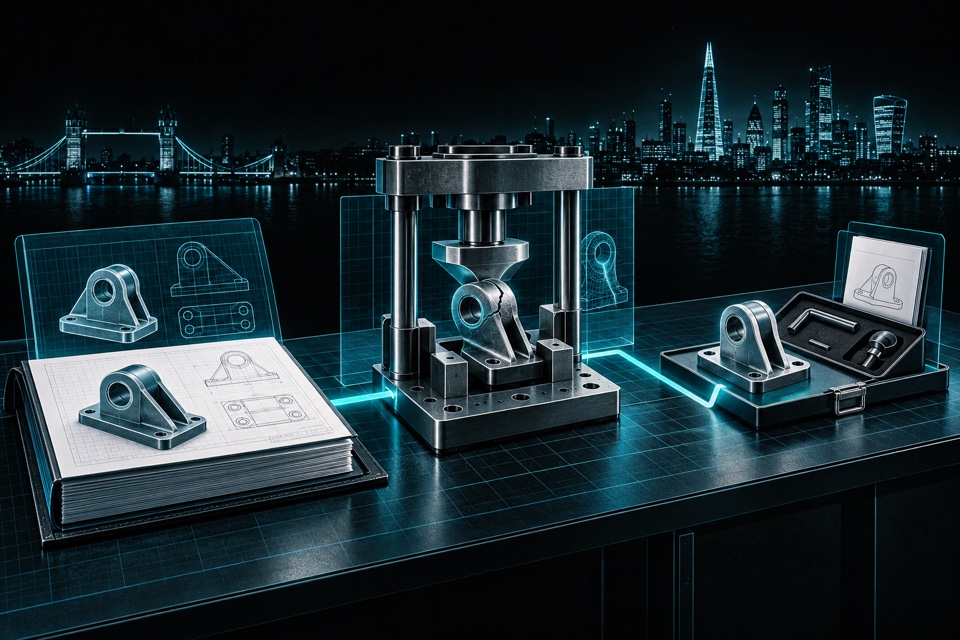
Write down the users, workflows, rules, awkward cases and exclusions. Unresolved decisions remain visible instead of being guessed during the build.
Choose structures for data, security, hosting, performance, recovery and ownership before those concerns become production surprises.
Models accelerate exploration and implementation. Experienced people retain authority over the product, architecture and any decision with consequences.
Checks target the ways the software could be incomplete or wrong. Passing evidence is attached to the agreed boundary, not substituted with confidence.
The running software, source, deployment, monitoring, recovery paths, documentation and repeatable checks leave together.
Want the longer arguments? Read the white papers, or browse shorter writing. You can also search the whole site.